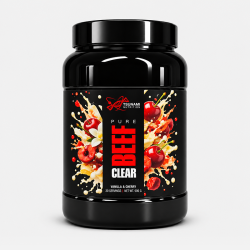
Clear Beef Pure Professional 900 g
€99.80
€49.90














Carrots are vegetables particularly appreciated for their beta-carotene content, a plant pigment that the body can convert into vitamin A. In addition to this precursor, they also provide vitamin C, vitamin K and some B vitamins, together with fibre, water and minerals. The nutritional profile of carrots can vary depending on how they are prepared. When eaten raw, they retain a good amount of vitamin C and have a crunchy texture, while cooking can make some carotenoids more accessible, helping the body absorb them. Let's take a look at which vitamins carrots contain, the differences between raw and cooked carrots, and the benefits they can offer as part of a balanced diet.

Vitamin D is an essential fat-soluble nutrient for maintaining normal bones and teeth, normal muscle function and the normal function of the immune system. Unlike many other vitamins, it can be produced directly by the body when the skin is exposed to the ultraviolet B (UVB) rays in sunlight. Diet also contributes to vitamin D intake, although relatively few foods contain significant amounts. When sun exposure is limited or the diet does not provide sufficient quantities, supplementation may need to be considered. Let's look at which foods to prioritise, what plant-based sources of vitamin D are available and when taking a supplement may be useful.

Vitamin D is an essential fat-soluble nutrient involved in several functions in the body. It contributes to the normal absorption and utilisation of calcium and phosphorus, the maintenance of normal bones and teeth, normal muscle function and the normal function of the immune system. The body can produce it through skin exposure to sunlight, but certain foods also contribute to vitamin D intake. When sun exposure is limited or dietary intake is insufficient, supplementation may be worth considering, especially in the presence of risk factors or a confirmed deficiency.

Vitamin D drops are a practical formulation that allows you to take this nutrient in measured amounts that can be easily adapted to different needs. As a fat-soluble vitamin, its absorption may be enhanced when taken with a meal containing fat, although the recommended method may vary depending on the product's composition. In this guide, we look at how to take vitamin D drops correctly, the most suitable time of day and the reference dosages to consider for adults, menopausal women and newborns.

The combination of vitamin D3 and vitamin K2 is often recommended to support bone health and proper calcium metabolism. These two vitamins perform complementary functions: vitamin D contributes to the absorption and utilisation of calcium and phosphorus, while vitamin K is involved in activating certain proteins that play a role in bone mineralisation and the regulation of calcification processes. This combination has attracted particular interest because of its potential role in maintaining skeletal and cardiovascular health. Let's look at what vitamin D3 K2 is used for, the recommended daily intake, when to take the supplement and which precautions to consider before choosing a product.

Vitamin B12, also known as cobalamin, is an essential micronutrient involved in energy metabolism, red blood cell formation and the proper functioning of the nervous system. Because of its role in nutrient conversion and energy production, it is sometimes associated with weight management and weight loss. Although it plays an important role in metabolism, taking more than the body needs does not automatically speed up calorie burning or promote fat loss. A deficiency can cause tiredness, weakness, loss of appetite and other symptoms that affect everyday wellbeing. Let's take a look at what vitamin B12 does, how it relates to body weight and when supplementation may be useful.